
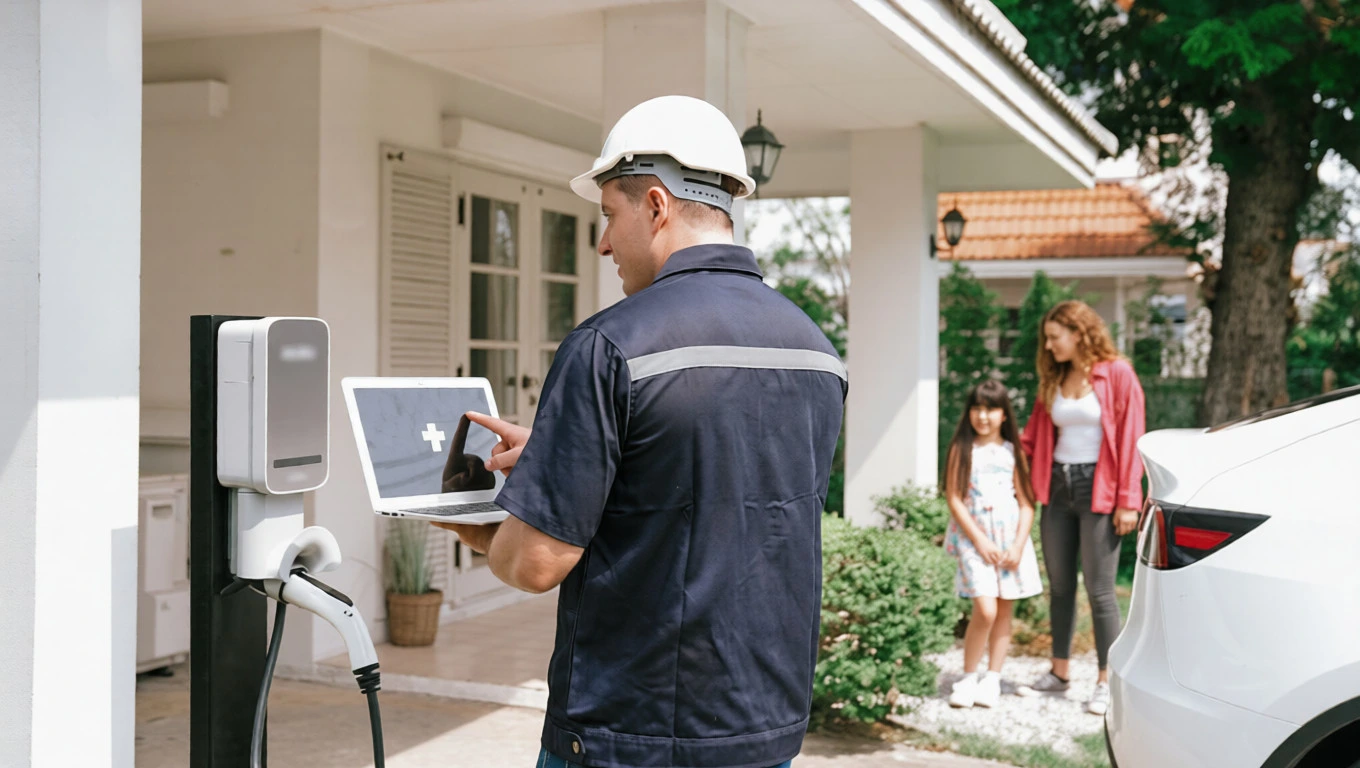
As EVs are becoming a more frequent occurrence on the streets, homeowners are becoming aware that it is time to have a reliable and efficient charging option at home. Not only will an EV charger installed in your home give you convenience, it will also make sure that when you need your vehicle, you can be certain that it will be ready. Nevertheless, because of such a variety of possible solutions, one can feel lost in the choice of the appropriate configuration. With the advice of Elemental Commercial Services, this guide will make you know what to pay attention to and how to choose the most appropriate EV Charging Installation Denver to install it at home.
Understand Your EV Charging Needs
The initial task in choosing the appropriate EV charging installation is knowing what you need yourself. EV chargers are available on varying degrees:
-
Level 1 Charging: This is the standard 120-volt outlet most homes already have. It’s the slowest charging method, usually adding 3-5 miles of range per hour. While inexpensive, it may not be practical for daily commuting if your EV has a large battery.
-
Level 2 Charging: Operating at 240 volts, this charger can fully charge most EVs overnight. It’s the most popular choice for home installations due to its balance between speed and cost.
-
DC Fast Charging: These are usually reserved for commercial or public charging stations and are rarely installed in homes due to high cost and complex requirements.
Information about the frequency of driving, EV battery size, and how you have to recover will help in determining which charger is best suited. The Level 2 charger is the ideal way to combine both efficiency and convenience to most homeowners in Denver which is why it forms the basis of the best EV Charging Installation Denver.
Evaluate Your Home’s Electrical System
The evaluation of the existing electrical system is very important before the installation of an EV charger. The older houses might not be able to support an extra load of a Level 2 charger. An evaluation that can be conducted by a licensed electrician of Elemental Commercial Services is:
-
Electrical panel capacity: Upgrading your panel may be necessary to accommodate the charger.
-
Circuit requirements: Most Level 2 chargers require a dedicated 40-50 amp circuit.
-
Safety standards: Ensuring compliance with local codes and National Electrical Code (NEC) standards is essential.
This test makes sure there is safe and efficient installation. The idea of the best EV Charging Installation Denver is making sure that you are not only choosing the appropriate charger, but also consider the ability of the electrical system in your home to sustain it safely.
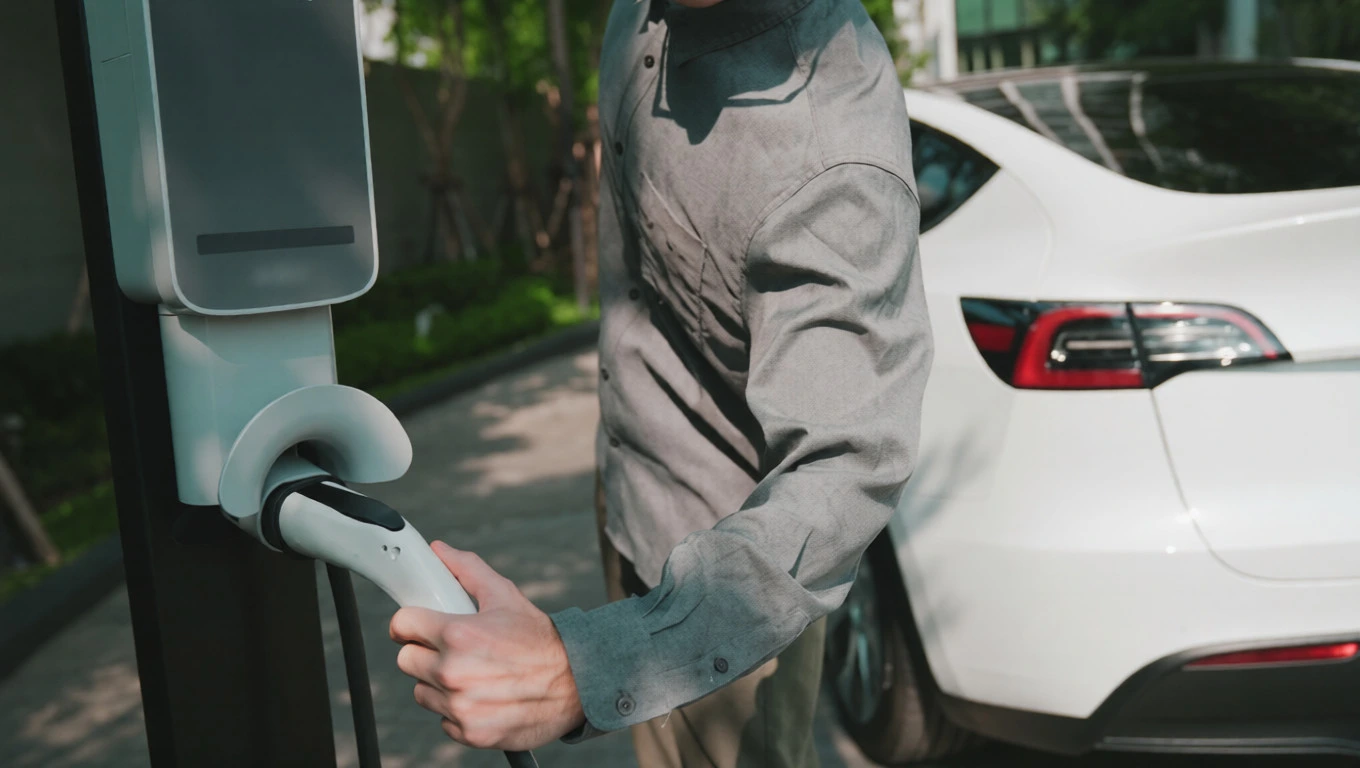
Consider Charger Features and Connectivity
EV chargers are not the plug-and-play equipment anymore. Most of the models currently incorporate new features that enable the charging process to be more convenient and energy-saving. For the choice of a charger, it is necessary to consider:
-
Smart connectivity: Some chargers connect to Wi-Fi, allowing you to monitor charging sessions via an app. You can track energy usage, schedule charging during off-peak hours, and even receive alerts if an issue arises.
-
Adjustable charging speed: Some models let you control how fast the charger delivers power, which can help reduce strain on your home’s electrical system.
-
Durability and weather resistance: For outdoor installations, make sure the charger is rated for outdoor use and can withstand Denver’s varying weather conditions.
These capabilities are not only convenient but are capable of optimizing your energy use making your home friendlier. By choosing opting the best EV Charging Installation Denver, you will be provided with a charger that would have all the features required to suit your lifestyle and future requirements.
Professional Installation Matters
Whereas in some cases EV chargers are being sold as DIY-friendly, professional installation is in any case advisable. Elemental Commercial Services certified electricians can deal with:
-
Proper mounting and wiring of the charger
-
Ensuring compliance with safety codes and local regulations
-
Testing the system to guarantee safe operation
Professionally installed systems prevent the possibility of electrical fire, improperly grounded systems, and overloading your circuits. The benefit of professional assistance is also that your charger will work to its maximum capacity and keep your EV under warranty. In the process of seeking the best EV Charging Installation Denver, it is important to consider licensed and experienced experts who are able to provide a safe installation process.
Factor in Cost and Incentives
The factor of cost is significant, although it cannot be the sole one. The cost of installation will depend on the nature of charger, electrical upgrades required and labor. On average:
-
Level 1 chargers are inexpensive, typically under $500, with minimal installation required.
-
Level 2 chargers can range from $600 to $1,200, with installation costs varying based on electrical work needed.
Moreover, the Denver homeowners can receive the federal and local grants or rebates on EV charger installation. Such programs can save the total cost to a significant extent. Professional service such as Elemental Commercial Services would assist you in utilizing these incentives so that you will benefit financially as much as possible and at the same time adopt the best EV Charging Installation Denver.
Maintenance and Long-Term Considerations
Long-term maintenance is one of the aspects that are frequently disregarded when selecting a home EV charger. Although the contemporary chargers are usually quite dependable, they still require regular inspections so that they can be safe and effective. Maintenance tasks include:
-
Inspecting the wiring and connections for wear or damage
-
Checking for firmware updates if your charger is smart-enabled
-
Ensuring the mounting hardware remains secure
When choosing the ideal EV Charging Installation Denver, we would not only look at the cost to have the installation done but also look at the maintenance of the system and support provided by the installer. Elemental Commercial Services will take care of your EV charging system so that you can continue running years to years.
Conclusion
It might be too challenging to decide what EV charger should be installed at home first, but once it is divided into smaller steps, it becomes easy. Begin with learning about your charging, assessing your home electrical system and weighs in on charger features, professional installation, cost and long term maintenance.
As the number of electric car owners increases, a quality and effective home charger is now more than an investment. You may trust that you will get the best EV Charging Installation Denver, when you work with such professionals as Elemental Commercial Services and customize it to your house and the way of life. This investment is not only convenient in addition, but also helps to make the future greener and more sustainable.
Be it the first EV or the upgrade of your current installment, any well-informed decision will ensure that your car is parked and your house is secure. Call the contact Elemental Commercial Services and plan a consultation and make the first step towards a comfortable EV charging system at home.