
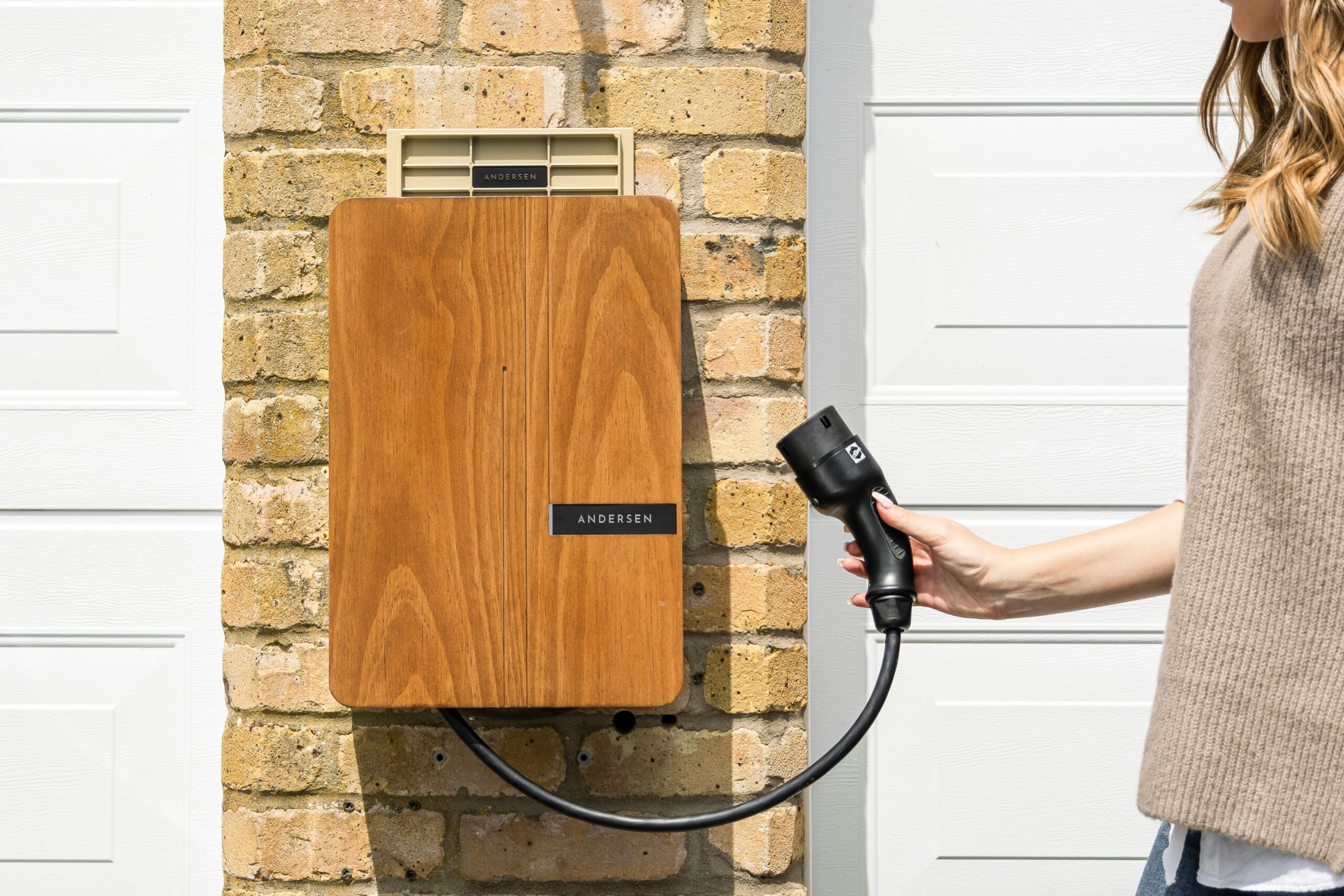
One of the greatest upgrades that electric vehicle owners should possess is the installation of a home EV charger, which gives them a chance to have a convenient, fast, and reliable home charging. It’s important to know charger types, installation needs, and labor costs before starting, to budget properly. This introduction will aid in getting a clear picture of what is in store within the whole process.
Understanding the Basics of Home EV Charging Costs
The Home EV charging Installation normally start with the selection of the appropriate charger. Level 1 chargers use normal home outlets, so they require no installation and are simple to set up. However, they are extremely slow to charge, often taking many hours to fully power an electric vehicle. Level 2 chargers are popular because their 240-volt power supply offers much faster and more efficient home charging. Level 2 charger has an average cost of four hundred and twelve hundred dollars depending on feature, design and brand reliability.
Typical Installation Costs and What Influences Them
About seven hundred to twenty-five hundred dollars or more is the actual cost of installing a Level 2 charger. This will cover labor and wiring, conduit and permits and any upgrades as needed on your electrical panel. Homes with updated electrical systems cost less to install EV chargers, while older homes may require extra upgrades, increasing overall installation expenses.
Electrical Panel Capacity and Distance Considerations
The electrical panel is significant in determining your final price. The installation will be easy provided that your panel has sufficient space and power to accommodate a new 240-volt circuit. But when it is old or already occupied, the cost of upgrading it can cost between eight hundred and twenty-five hundred dollars. The distance from the panel to the charger affects cost because longer wiring runs require more materials and labor.
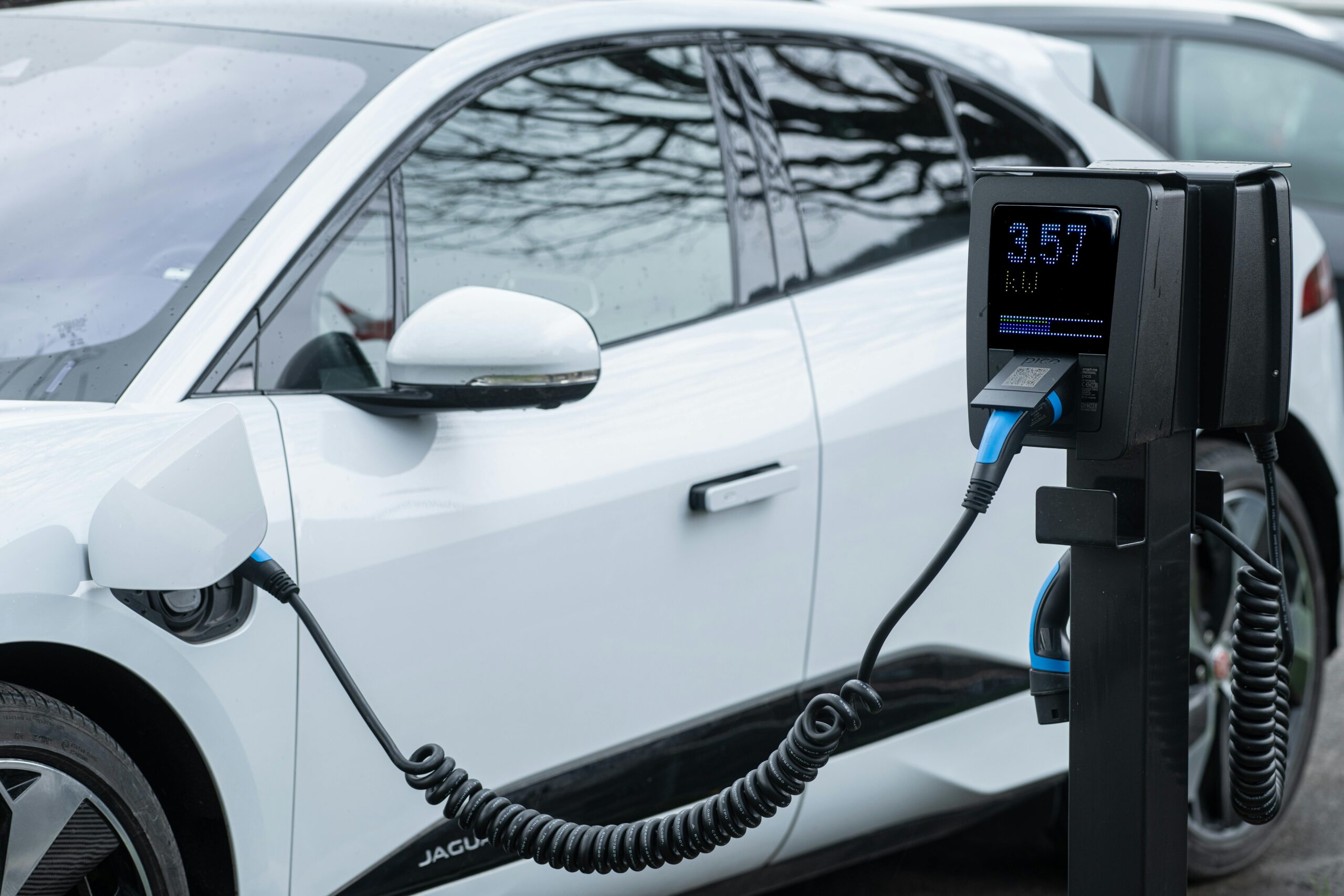
Optional Upgrades and Safety Enhancements
Other homeowners will upgrade with extra dedication to enhance performance and protection. A whole-home surge protector shields your EV charger and electronics, typically costing $150–$400. Other installations can also demand a hardwired charger to be installed to provide safety and longevity. If trenching or underground wiring is needed, installation costs rise further, but these additions improve long-term reliability, safety, and convenience.
Value of Professional Installation and Overall Cost Expectations
To be safe and meet the code of practice, a licensed electrician is needed since EV chargers are mounted on high-voltage circuits. A professional is able to make sure that there is proper wiring, grounding and proper breaker sizing, and he/she takes care of all permits and inspections. Most homeowners spend $1,200 to $1,800 for a full EV charger installation, but complex setups cost more. A dedicated Level 2 home charger makes daily EV charging easier and enhances the value of owning an EV.
Conclusion
The addition of home EV charging Installation is a prudent move in the long run that will bring convenience and efficiency to your EV life. Costs vary depending on your home’s electrical capacity, required upgrades, and charger type, but understanding these factors helps you plan and decide wisely. A professionally installed Level 2 charger provides fast charging and greatly improves daily convenience. It boosts your long-term driving experience while increasing home value and preparing your property for the future of electric vehicle development.
Contact Elemental Commercial Services
Need a trusted electrical contractor for your commercial property in Denver?
We’re ready to help.
📱 Phone:
📧 Email: book@elementalcommercialservices.com
📍 Address: 1040 S Gaylord St Suite 2, Denver, CO 80209
🌐 Website: elementalcommercialservices.com